Land Stewardship Through Livestock
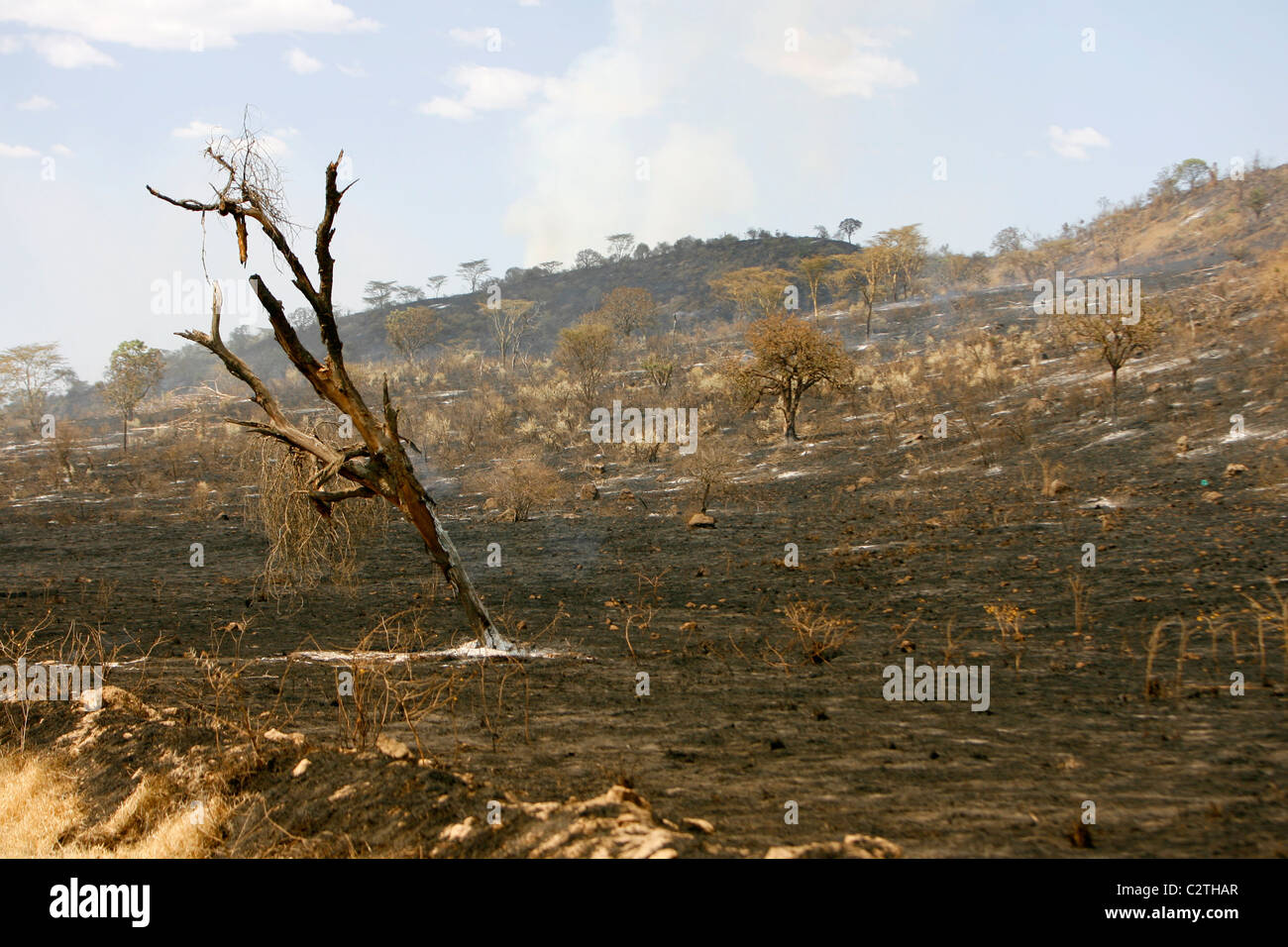
Targeted grazing is one of the oldest and most effective tools for reducing wildfire fuels, restoring ecosystems, and managing vegetation without heavy machinery

Why Grazing?
A Better Way to Manage Our Land
Targeted grazing offers significant advantages over conventional vegetation management methods
Our Services
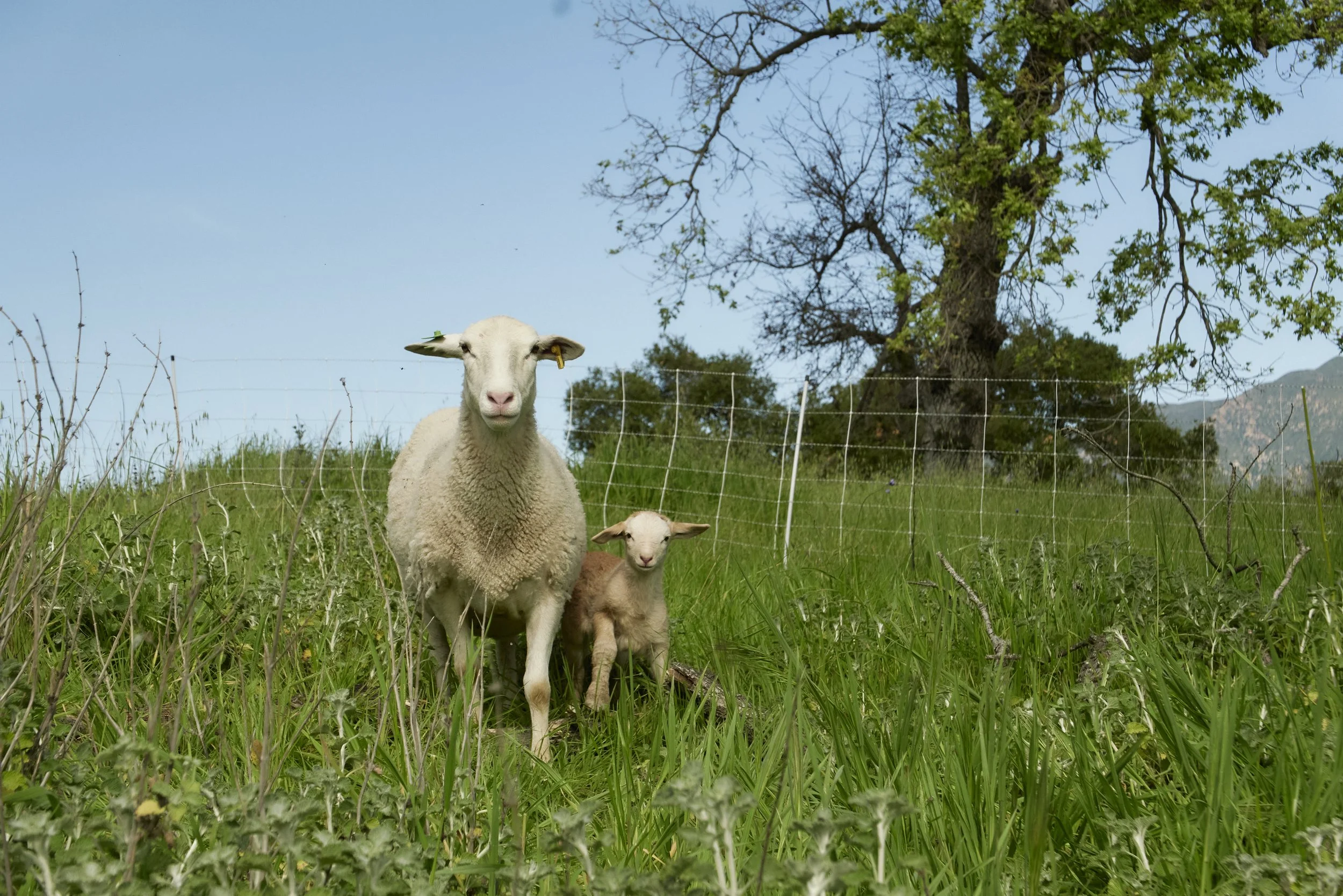
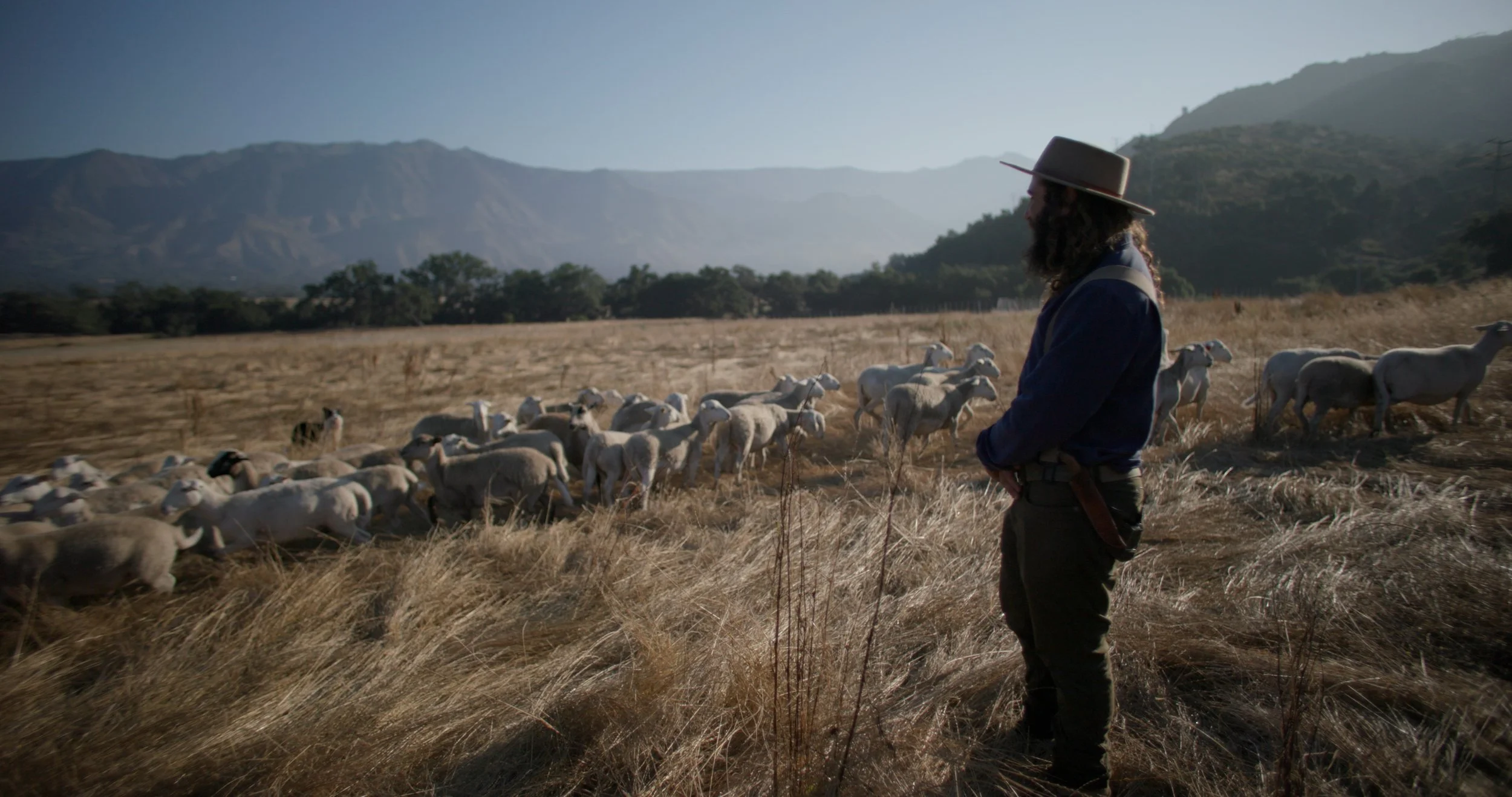
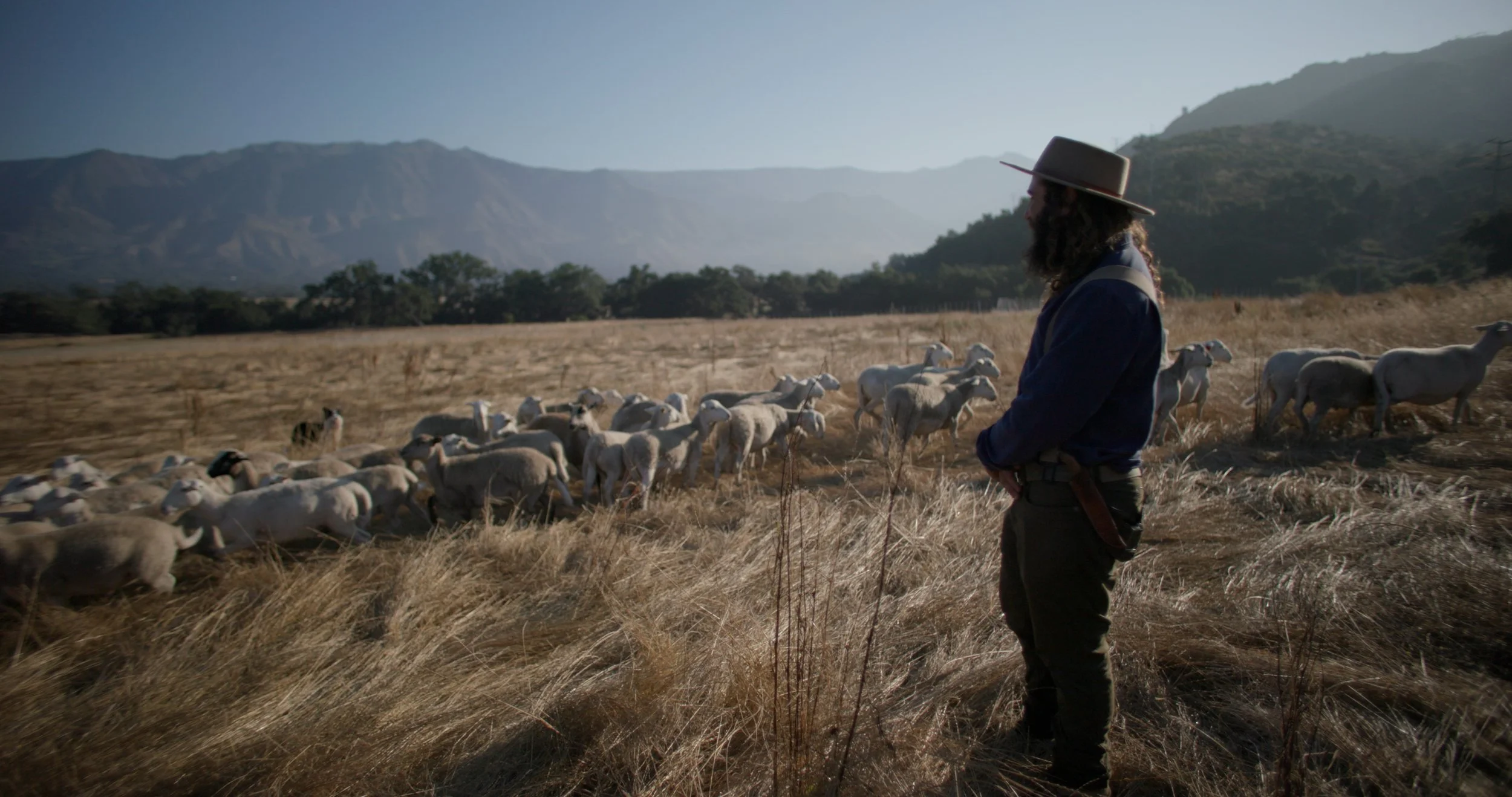
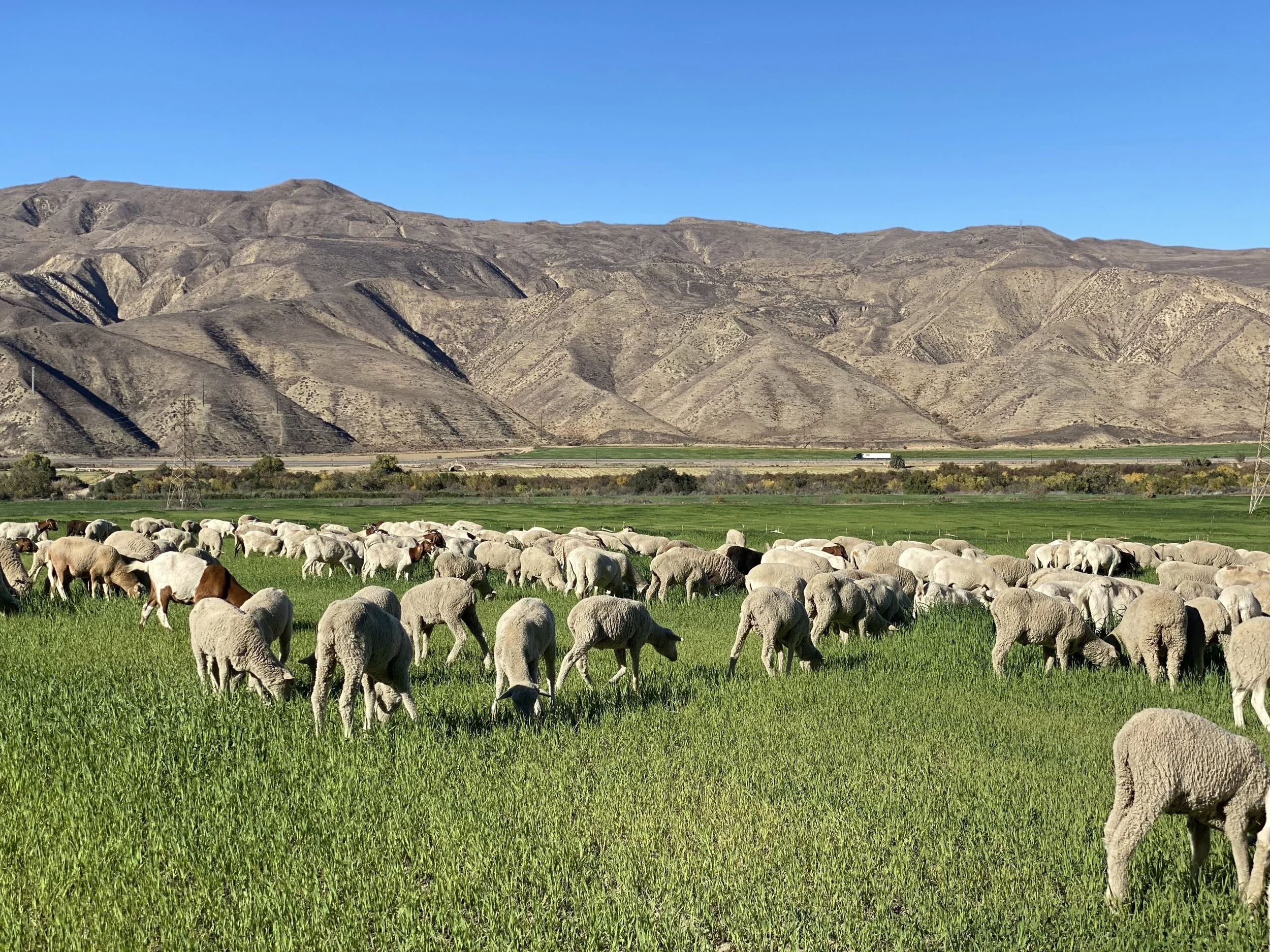
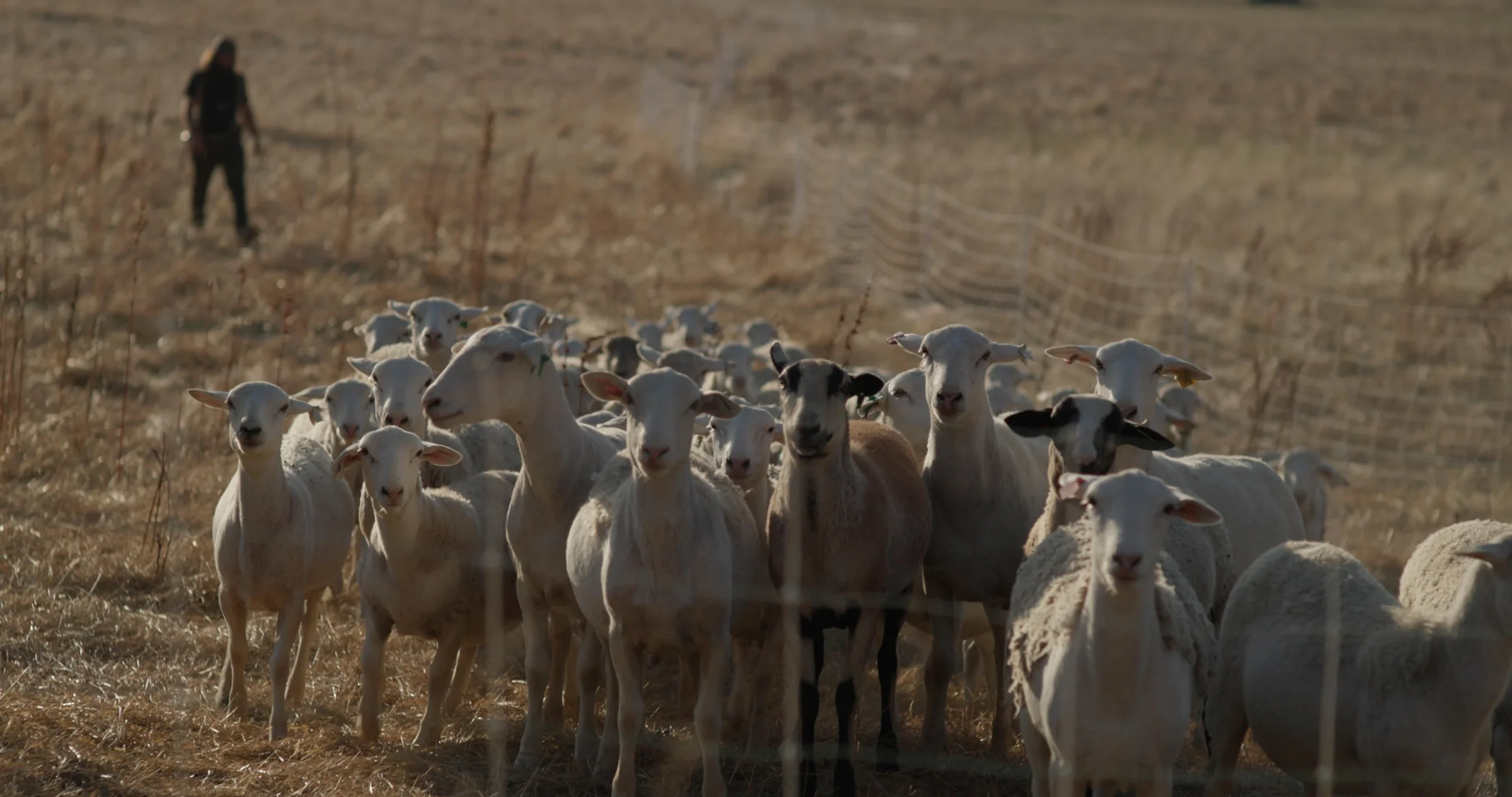
Boek House Hearth & Husbandry is first and foremost a working livestock operation. The same care, planning, and stewardship that guide the way we raise our pasture-raised livestock also guide every targeted grazing project.
We don't view our animals as equipment. We view them as living partners in restoring healthy landscapes.
-
Strategic grazing to reduce grasses and other fine fuels that contribute to wildfire spread.
-
Control grasses, invasive weeds, and unwanted vegetation through carefully managed grazing.
-
Our livestock can safely and effectively work steep slopes, rocky terrain, and areas that are difficult or costly to reach with machinery.
-
Recurring grazing programs that help maintain healthy landscapes throughout the year.
The Process
How Does it Work?
600+
Acres Managed
100+
Native Species
Daily
Livestock Monitoring
Low-Impact
Vegetation Management
Our Services
-
Strategic grazing to reduce grasses and other fine fuels that contribute to wildfire spread.
-
Control grasses, invasive weeds, and unwanted vegetation through carefully managed grazing.
-
Our livestock can safely and effectively work steep slopes, rocky terrain, and areas that are difficult or costly to reach with machinery.
-
Recurring grazing programs that help maintain healthy landscapes throughout the year.
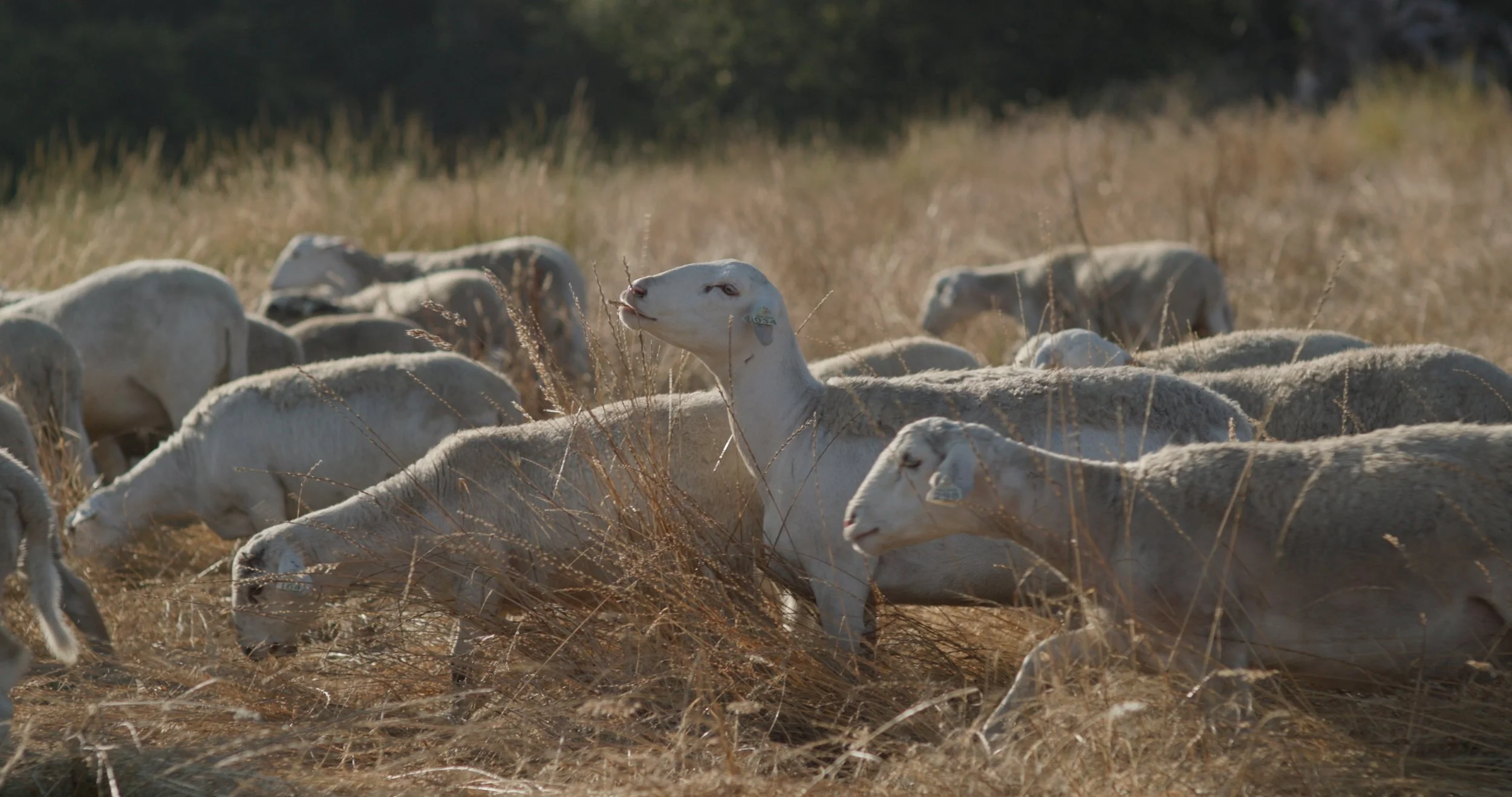
Why Targeted Grazing?
Benefits may include:
Reduced wildfire fuel loads
Environmentally responsible vegetation management
Reduced reliance on herbicides
Quiet, low-impact operation
Access to steep and difficult terrain
Natural nutrient cycling through manure
Increased biological activity in the soil
Support for healthier plant communities
Improved biodiversity
Greater long-term landscape resilience

Sheep, Goats, or Both?
Sheep
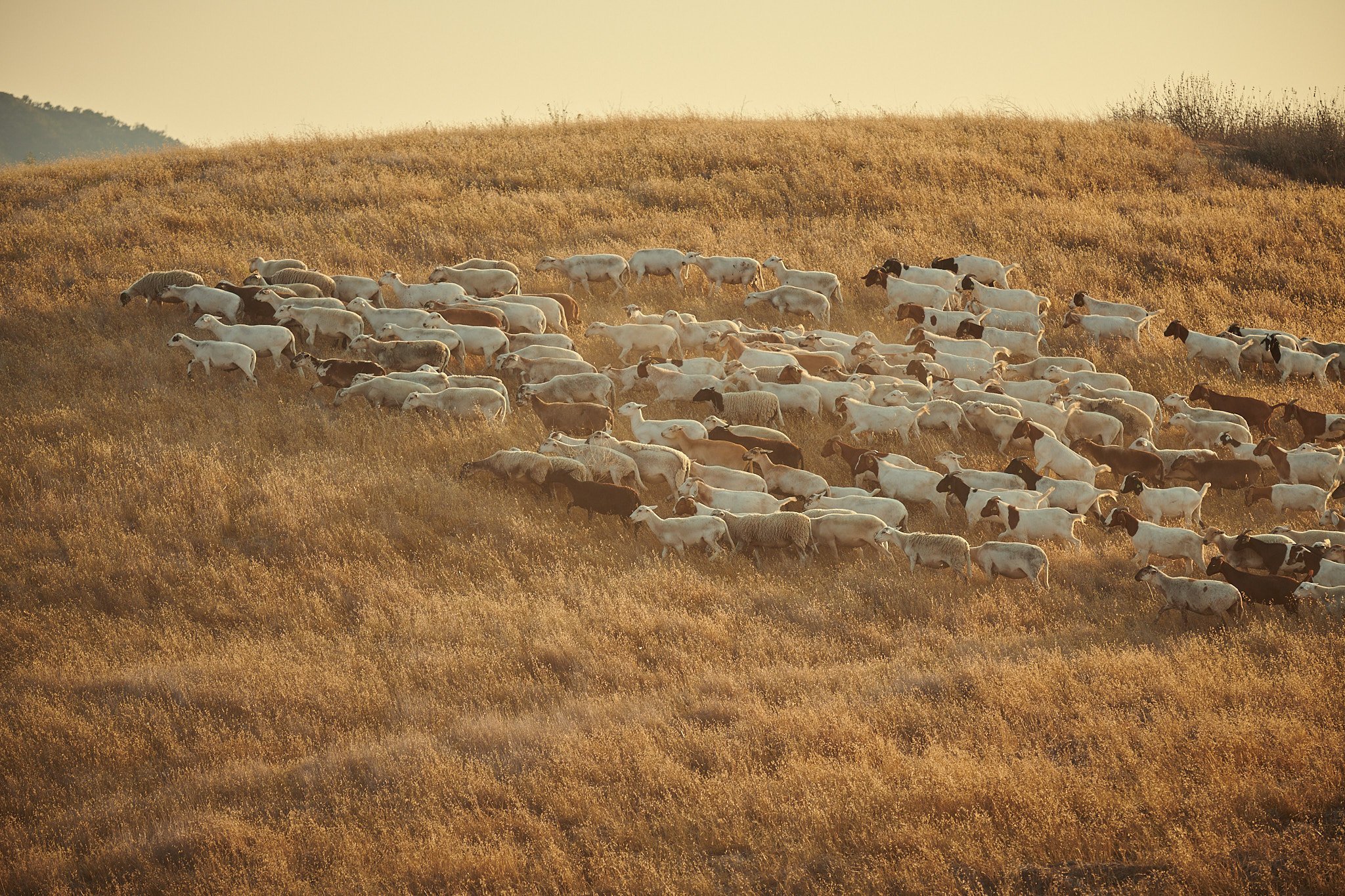
Highly effective at managing grasses, annual weeds, and the fine fuels that often drive wildfire spread.
Goats
Naturally browse brush, woody shrubs, blackberry, poison oak, and many invasive species.
Working Together
A mixed flock allows us to address a wider variety of vegetation types while creating a more complete vegetation management strategy.
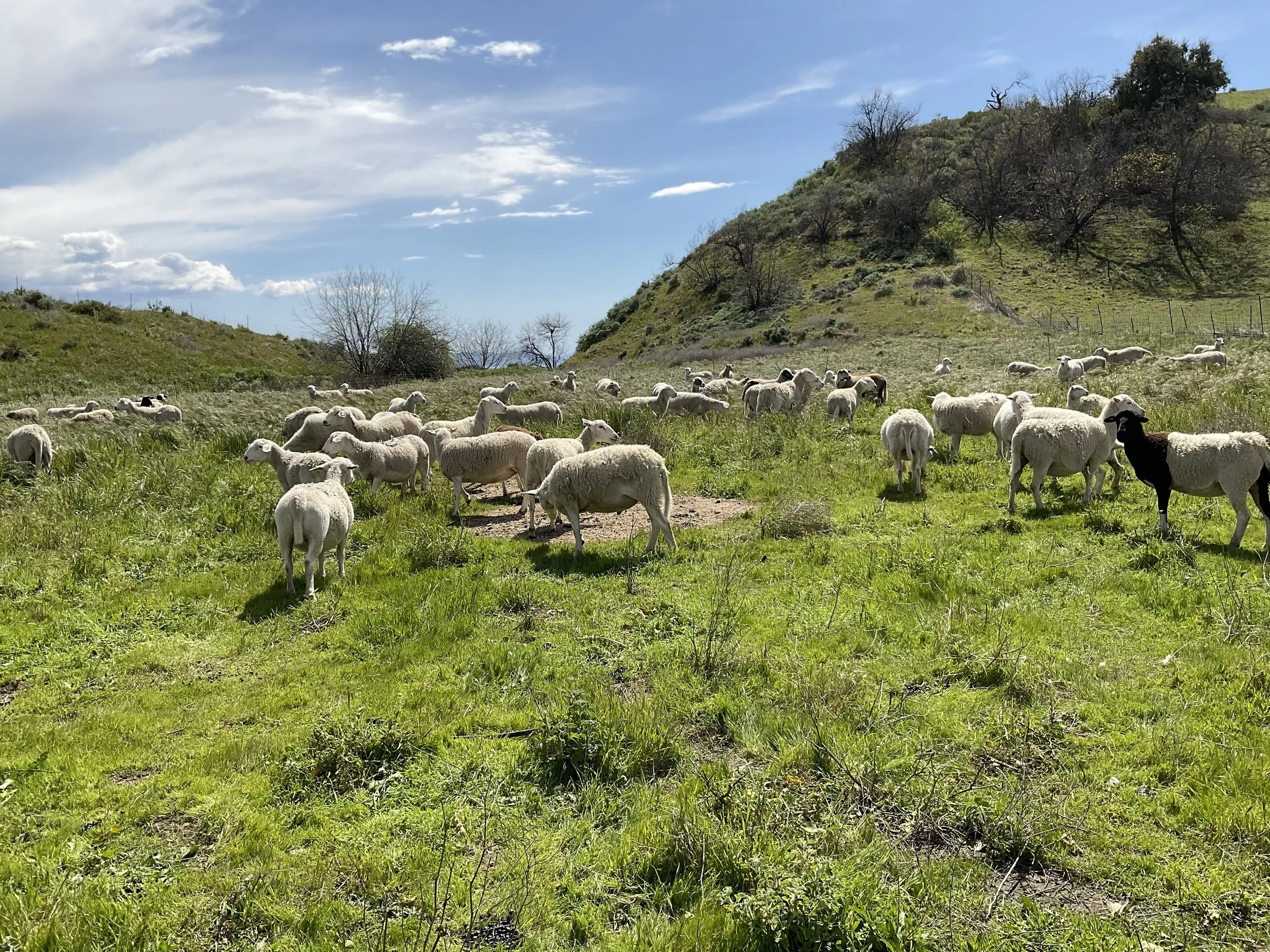
Our Approach
Every project begins with an evaluation of the property's vegetation, terrain, access, seasonal conditions, and management objectives.
Using the principles of Holistic Planned Grazing, we carefully manage stocking density, grazing duration, animal movement, and recovery periods to achieve specific ecological outcomes.
Depending on the needs of the property, our management may help improve soil health, increase water infiltration, encourage desirable plant communities, and strengthen the long-term resilience of the landscape.
Our objective is not simply to remove vegetation—but to leave the land healthier than we found it.
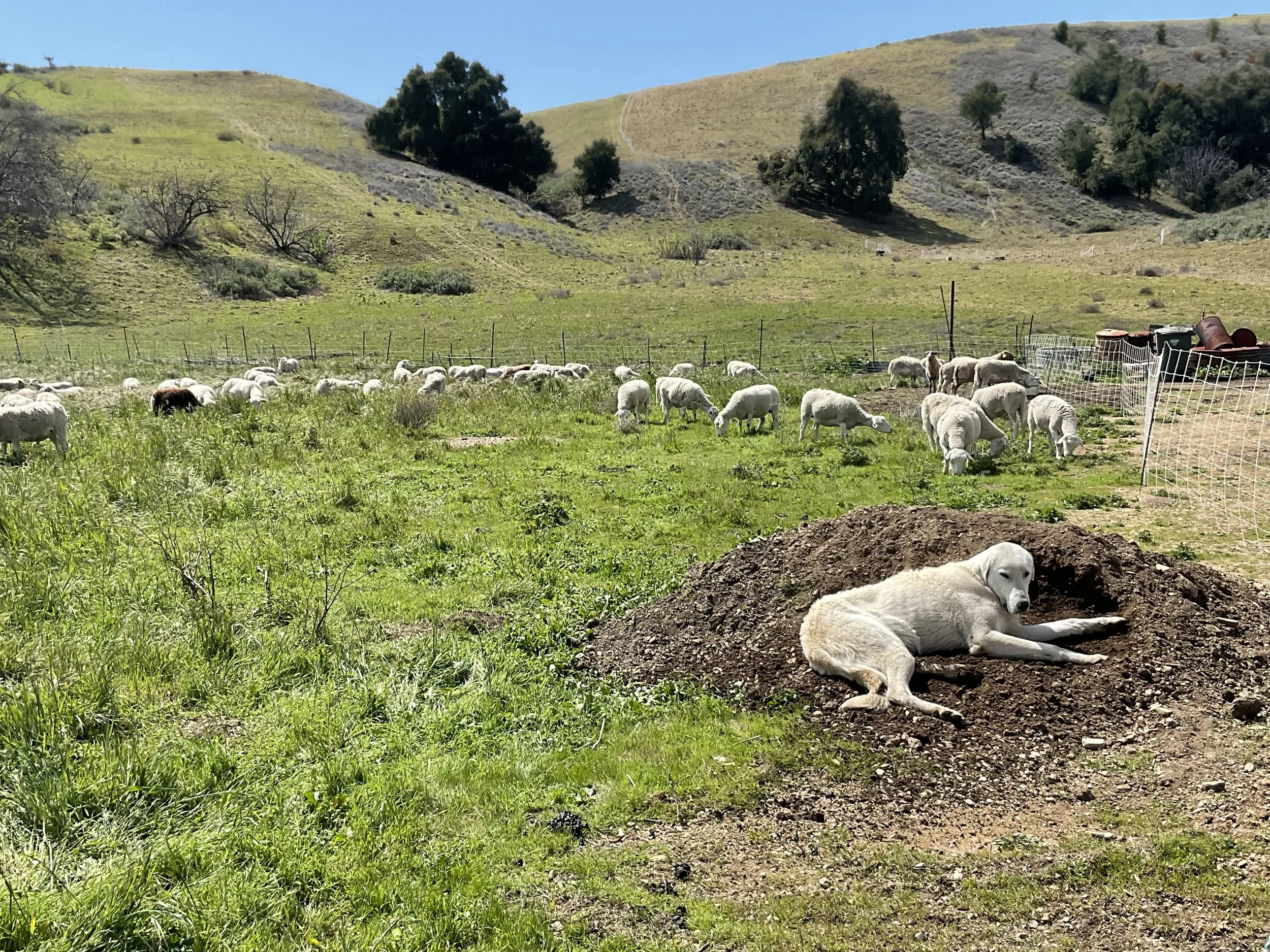
Why Boek House?
Boek House Hearth & Husbandry is first and foremost a working livestock operation. The same care, planning, and stewardship that guide the way we raise our pasture-raised livestock also guide every targeted grazing project.
We don't view our animals as equipment. We view them as living partners in restoring healthy landscapes.
Is Targeted Grazing Right for You?
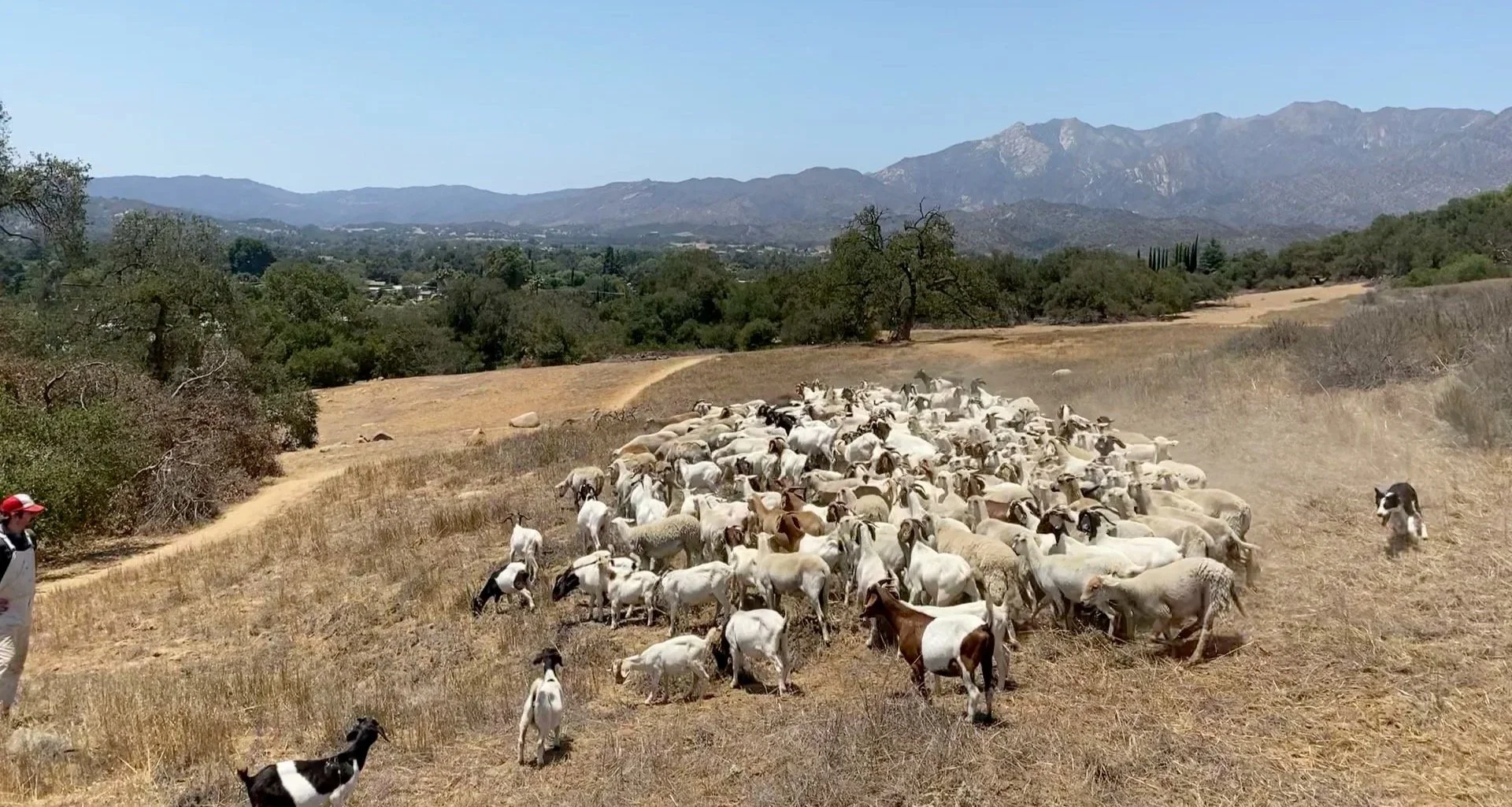
Residential estates • Hillside homes • Ranches • Farms • Vineyards • Orchards • Homeowners Associations • Commercial properties • Parks • Open space • Utility corridors • Conservation lands
Our Process
1
Initial Consultation
Discuss goals, challenges, and timeline.
2
Site Assessment
Evaluate vegetation, terrain, access, water, fencing, and objectives.
3
Customized Grazing Plan
Determine livestock, stocking density, sequence, and schedule.
4
Project Completion
Remove livestock and provide future recommendations if desired.
5
Ongoing Monitoring
Adjust grazing and fencing as conditions change..
6
Livestock Deployment
Install fencing, water systems, and livestock.
Request a Site Assessment
Every landscape is unique.
We'd be happy to visit your property, discuss your goals, and develop a customized grazing plan tailored to your land.
Land Stewardship Through Livestock
Targeted grazing is one of the oldest and most effective tools for reducing wildfire fuels, restoring ecosystems, and managing vegetation without heavy machinery


Wildfire Fuel Reduction

Vegetation Management

Ecological Restoration
Steep Terrain Specialists

Why Grazing?
A Better Way to Manage Our Land
Targeted grazing offers significant advantages over conventional vegetation management methods
Conventional
Targeted Grazing


Fossil Fuels

Soil Disturbance

Limited Access

Loud Machinery
Removes Vegetarion

Quiet Livestock

Solar Powered

Soil Improvement
Steep Slopes
Cycles Nutrients
The Problems We Solve
Fire Fuel Reduction
Strategic grazing to reduce grasses and other fine fuels that contribute to wildfire spread.
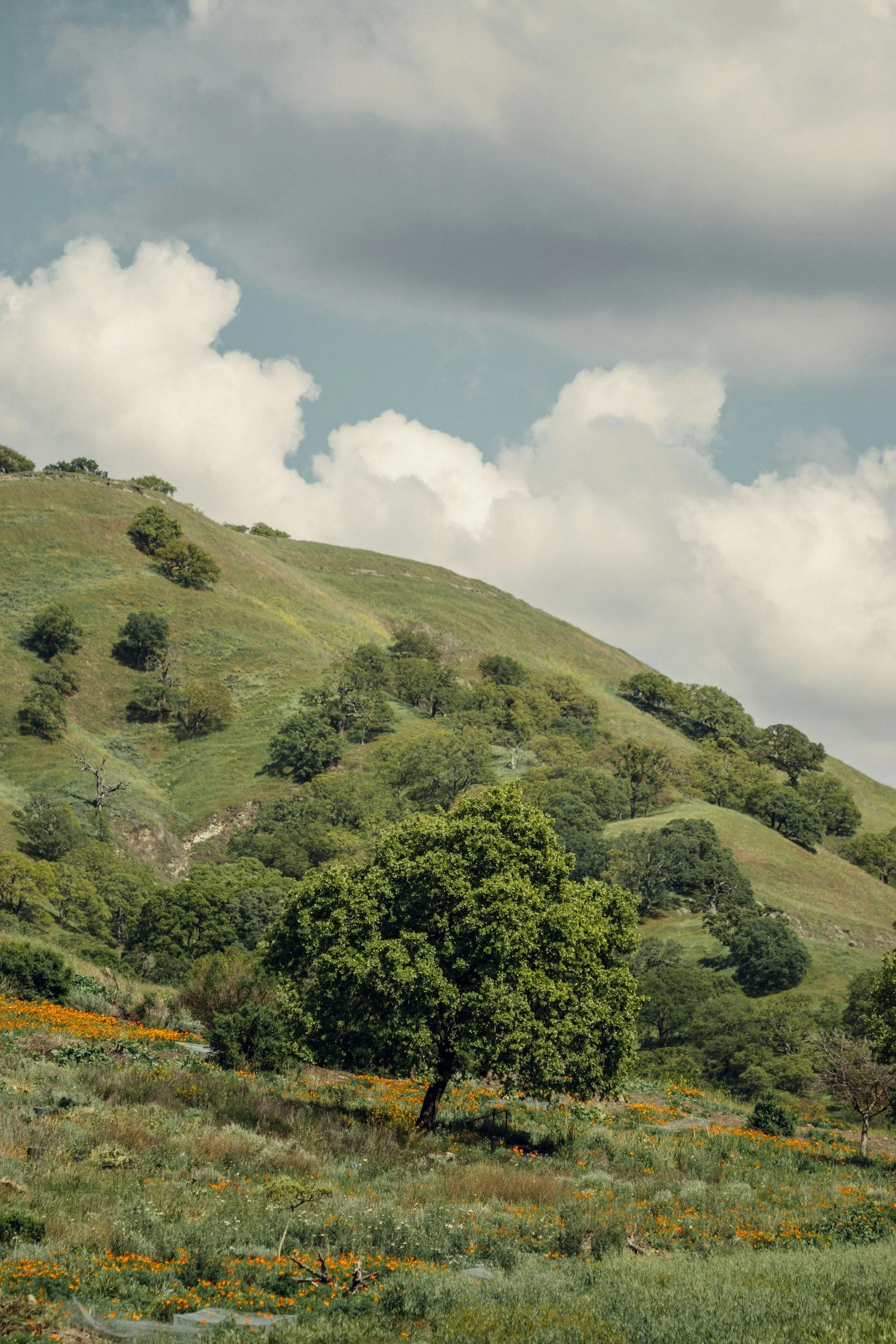
Vegetation Management
Control grasses, invasive weeds, and unwanted vegetation through carefully managed grazing.
Our Services
Boek House Hearth & Husbandry is first and foremost a working livestock operation. The same care, planning, and stewardship that guide the way we raise our pasture-raised livestock also guide every targeted grazing project.
We don't view our animals as equipment. We view them as living partners in restoring healthy landscapes.
-
Strategic grazing to reduce grasses and other fine fuels that contribute to wildfire spread.
-
Control grasses, invasive weeds, and unwanted vegetation through carefully managed grazing.
-
Our livestock can safely and effectively work steep slopes, rocky terrain, and areas that are difficult or costly to reach with machinery.
-
Recurring grazing programs that help maintain healthy landscapes throughout the year.
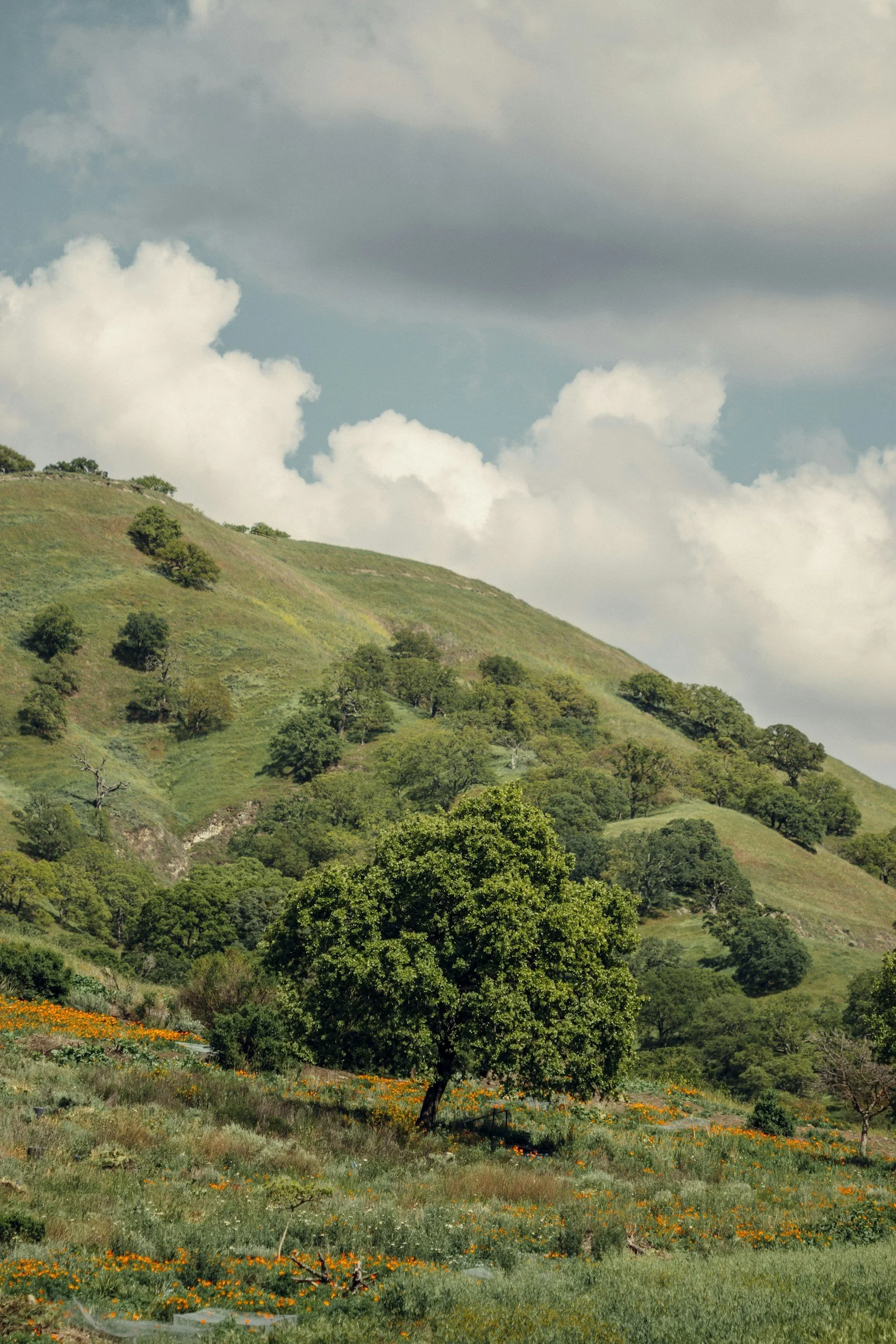
How Does it Work?
The Process
1

2
Initial Consultation
Discuss goals, challenges, and timeline.

Site Assessment
Evaluate vegetation, terrain, access, water, fencing, and objectives.
3

Customized Grazing Plan
Determine livestock, stocking density, sequence, and schedule.
4

Ongoing Monitoring
Adjust grazing and fencing as conditions change..
5

Livestock Deployment
Install fencing, water systems, and livestock.
6

Project Completion
Remove livestock and provide future recommendations if desired.
The Result